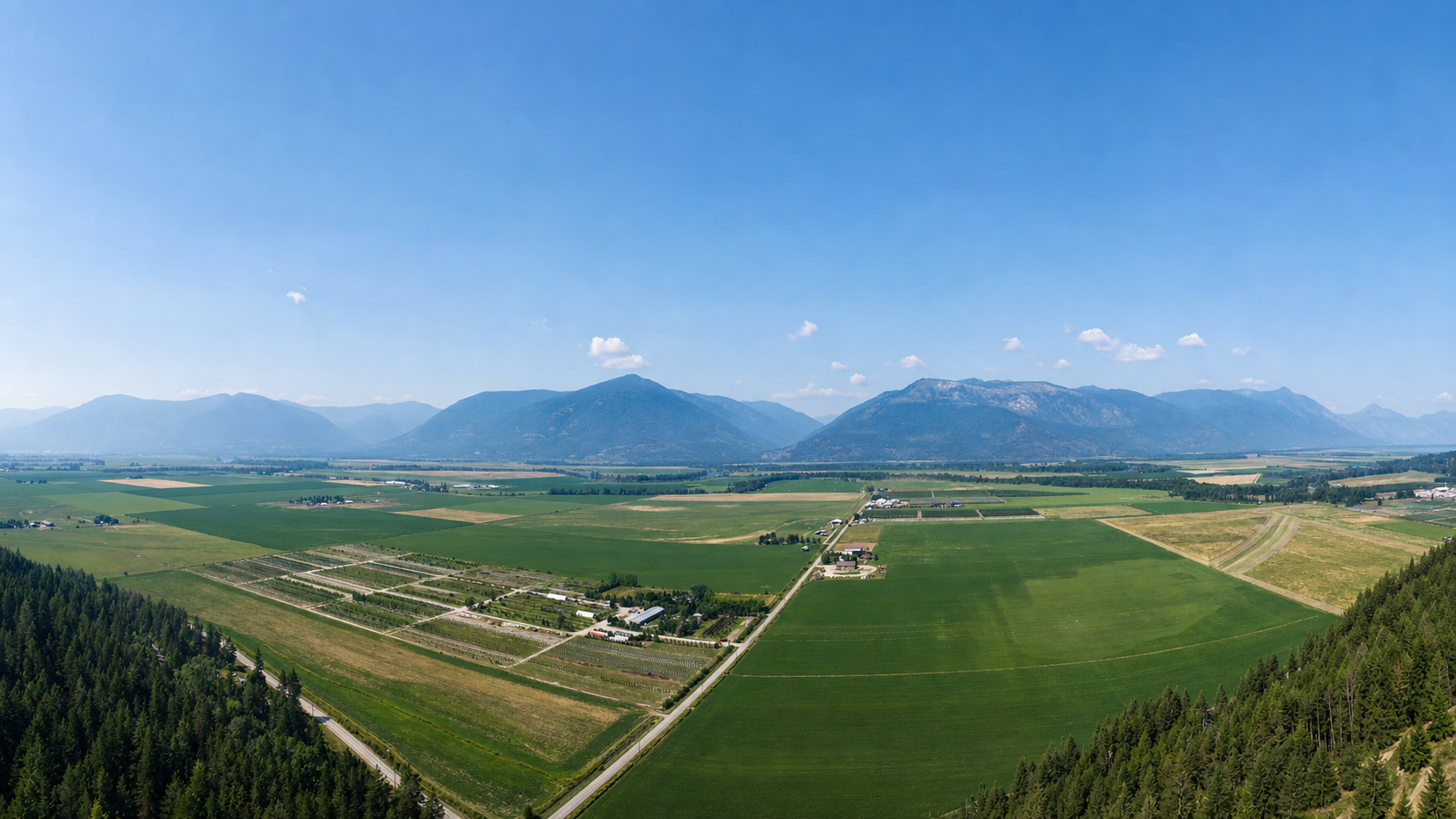
In this second term, I will focus on a number of priorities to improve the well being in the Creston Valley.
Kelly Vandenberghe Financial Agent
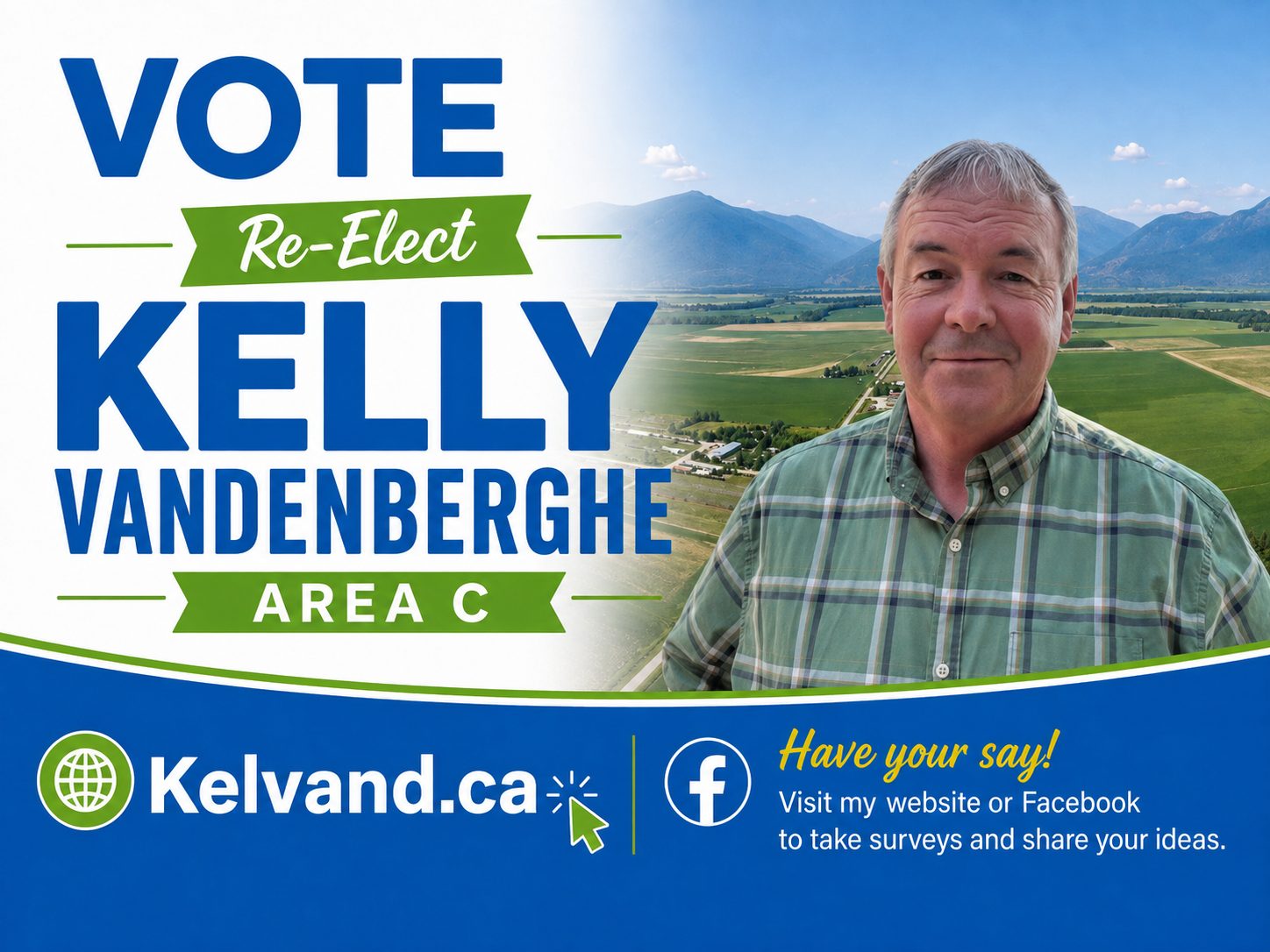
Big Ideas, Real Impact.
I am looking forward to serving the citizens of Creston Valley once again.
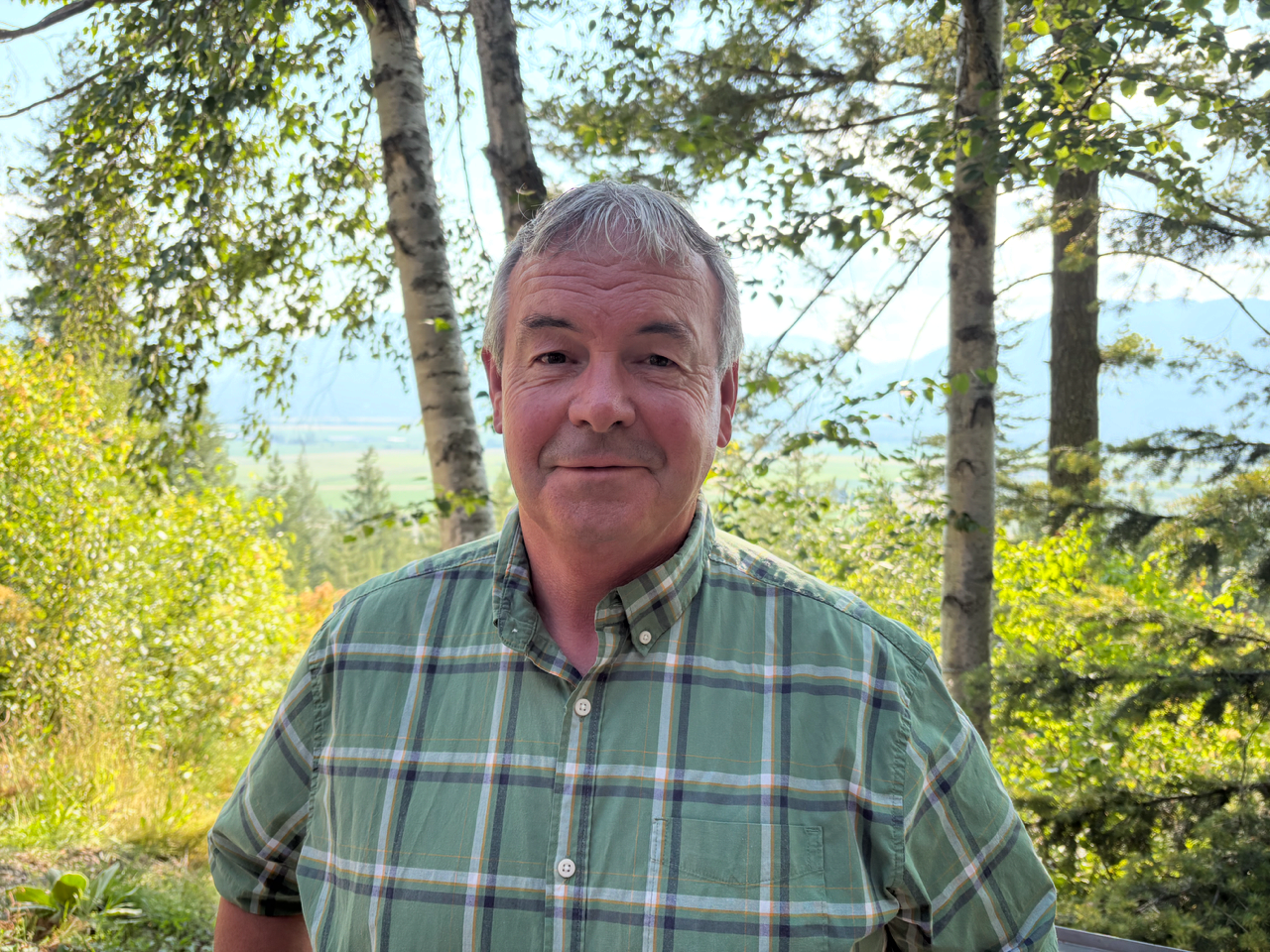
My Priorities …
Over the past few years, you have been clear about your concerns: rising cost of living, a shrinking local economy, and the pressure of increasing taxation.
My focus for the next term is straightforward:
· a return to core RDCK services,
· a stronger customer service culture, and
· clearer communication so residents can see where every tax dollar is going and why.
It is important to Have a Plan:
Priority pillar – Customer service re-focus that actually responds
Residents deserve a regional district that listens, tracks issues, and follows up. In my previous experience as an elected official (EO), resident calls with concerns, requests, or ideas—were logged in a customer service database, visible to staff and area EOs, with clear documentation of follow-up and outcomes.
I will push for RDCK to adopt a similar customer service system so that:
· Resident / business calls, emails with issues, conserns or ideas are logged and acknowledged.
· Department managers can track issues and report back on status and solutions.
· Directors can see patterns, identify systemic problems, and work with staff and residents on solutions.
This is a practical, low-drama way to rebuild trust: show people that when they speak up, something happens.
Priority Pillar – Clear, narrative, service-based budgeting, Fiscal transparency
Right now, RDCK’s budget is presented mainly as spreadsheets, without enough plain-language explanation of what services cost, why costs are changing, and whether they are core or non-core services. Residents see numbers going up, but not the story behind them.
I will advocate for a narrative, service-based budget framework where:
· Every service has a short narrative explaining the who, what, where, when, and why of any budget change.
· Budgets clearly distinguish core services from non-core services.
· Any new non-core project or “pilot” must come with a clear business-case style proposal: objectives, measurable metrics, timeline, and expected return on the tax-payers investment (ROI).
This will help residents engage in budget discussions with real information rather than guesswork.
Priority Pillar – Return to core services in tough economic times
With household budgets already stretched, we cannot expect residents to pay more and more for a growing list of non-core services. During this period of economic pressure, I believe RDCK must refocus on core services first.
In practical terms, I will:
· Prioritize core services in the service delivery budgets.
· Require that any new non-core or pilot service be backed by a business-plan proposal with clear outcomes, metrics, ROI, and a defined review timeline.
· Support pausing or cancelling non-core services that are not delivering value or outcomes that residents can see.
This approach respects taxpayers and keeps the RDCK focused on what it must do well before adding more.
Priority Pillar – Water security for the future of Creston Valley
Water is the foundation of our agriculture, our economy, and our way of life in the Creston Valley. I will continue to prioritize water resource management through the Water Sustainability Plan and related projects.
My commitments include:
· Continuing to champion a community-led Water Sustainability Plan that focuses on long-term, shared solutions for water management.
· Ongoing support for Alice Siding residents as they work toward a potable water system.
· Keeping the Alternative Water Supply Feasibilty Analysis study a priority so that agriculture producers and residents can count on reliable water in the years ahead.
· Advocating for the Kootenay River to provide water security
This is future-proofing for the valley, to ensure economic growth and stability
Priority Pillar – Stronger support for local community associations support
Healthy communities depend on strong local associations—whether that is a residents’ group, hall society, or neighbourhood committee. I want to expand what I started with the Goat River
Residents Association (GRRA – Dyking District), where I supported them in modernizing their bylaws, constitution, and financial reporting.
In the next term I will:
· Offer to work with more community associations on governance updates and reporting tools.
· Share templates and best practices so groups aren’t reinventing the wheel.
· Use RDCK and Creston Valley Services Committee (CVSC) channels to highlight the work these associations are doing.
This kind of behind-the-scenes work isn’t flashy, but it is how we keep local voices organized and effective.
Priority Pillar – Using the Creston Valley Services Committee as a better communication tool
The Creston Valley Services Committee (CVSC) is where many of the decisions that directly affect the valley are discussed by Areas A, B, C, and the Town of Creston. I see this as both a decision-making body and a communication channel to the public.
I have already requested, and now regularly use, a standing agenda item for ‘Director’s Reports’ at CVSC. I will continue to:
· Provide regular written Director’s Reports summarizing key meetings and community issues.
· Use these reports to keep fellow directors informed and to provide the public with accessible summaries through the agenda packages.
· Encourage more consistent reporting from all CVSC partners so residents see a fuller picture of what is happening sub-regionally.
Good governance is also good communication; people should not have to dig to find out what their director is doing.
Priority Pillar – Transparent, practical regional planning and land use
Growth pressures and provincial changes (like Bill 44) are reshaping land use and housing expectations in rural B.C., including Area C. Residents often feel blindsided by zoning changes or unclear about what they can expect in their neighbourhoods.
“I will push for clear, accessible information on zoning and regional planning, so residents understand what’s changing, why, and how they can have a say.”
Then commit to:
· Regularly flagging key planning and zoning issues through my reports and public meetings.
· Asking staff for better plain-language explanations and graphics in land-use materials.
· Ensuring that major provincial or regional planning changes are communicated early, not after decisions are made.
More priority details to follow …
Your feedback is very important to me … kelvand@telus.net
Please VOTE on October 17th, 2026